A book by Michal Hanych · November 2026
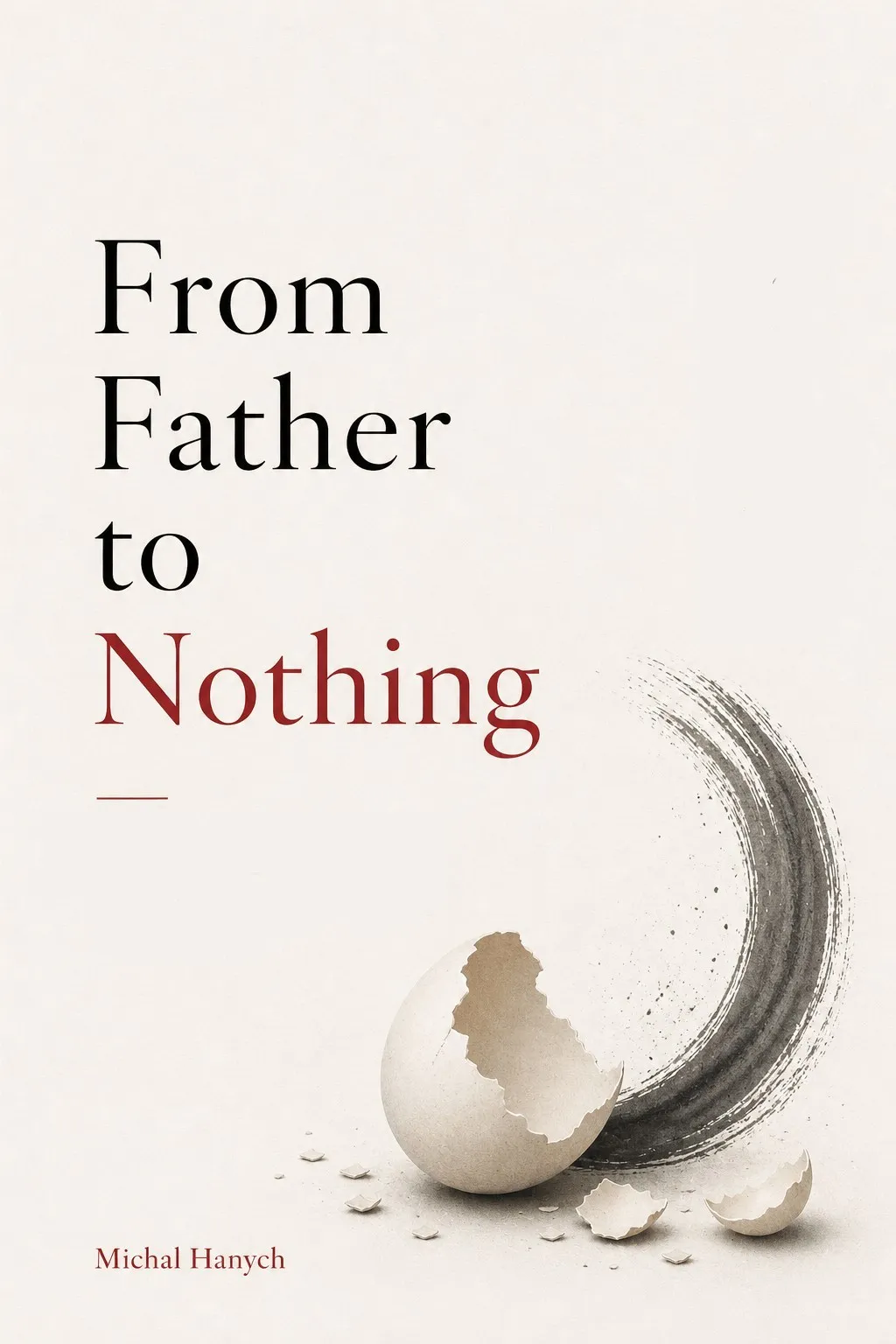
From Father to Nothing
I spent years advising the wealthiest Czechs on tax and the law. Then I inherited six companies, four co-owners, and no plan. This is what I learned.
The book lands November. Until then: the cards, and a letter a month. One signup, both.
"What is the money for?
Nobody had ever asked."
Before there's no time
The Cards

Are you the center of a star-shaped structure in the company? If so, what happens when you disappear? If not, how did you achieve a different structure?
My father and I never had these conversations. Then there was no time. Thirty-two questions like this one, the start of what I call the complicated conversation: money, succession, fairness, and what a family is for once you take the company away.
The book is to read alone. The cards are to sit your family down with. Read three free, then print the deck and pull up chairs.
Three cards free · One letter a month until November · Unsubscribe anytime
The book
One letter a month · June through November.
- June 1, 2026 My father died. Read →
- July 1 Letting Go. Read →
- August 1 The third letter.
- September 1·
- October 1·
- November 1The book.
One letter a month, until the book. I'd like to send them to you.
Everyone on the list hears first, and has the book before it is anywhere. Unsubscribe anytime.

About
Michal Hanych spent years untangling other families' wealth. He is an attorney and a tax advisor, and the founding partner of smpl_, where he advised some of the wealthiest families in the Czech Republic on exactly the problems this book describes. Then, in 2024, his father died suddenly. He left six companies, four co-owners, and no plan. The adviser had become the unprepared heir. It was still the hardest thing he has faced.
He wrote his way through it. The Czech edition, Nepřipravené předání podnikání mezi generacemi, was published in 2025. This expanded English edition follows in November 2026. The work changed him. Today he runs Complicated, a family office in Prague, built around the question the book keeps returning to. Not how to protect the money. What the money is for.
He is not pessimistic about any of it. He believes most of what a family builds can be passed on without being wasted, and that the conversations families avoid are the ones most worth having. This book is where they start.